Buy drtss.com ?
We are moving the project
drtss.com .
Are you interested in purchasing the domain
drtss.com ?
domain@kv-gmbh.de · 0541-91531010
Buy drtss.com ?
Was Yugoslavia a democracy?
Yugoslavia was officially a socialist federal republic, and its political system was based on the principles of self-management and workers' councils. While it had elements of a multi-party system and periodic elections, the Communist Party held a dominant position in the government and society. This limited the true democratic nature of the country, as the ruling party had significant control over political and social life. Therefore, while Yugoslavia had some democratic features, it did not fully function as a liberal democracy. **
What happened to Yugoslavia?
Yugoslavia was a country in Southeast Europe that existed from 1918 to 2003. It was formed after World War I and consisted of several different ethnic groups, including Serbs, Croats, and Bosniaks. However, ethnic tensions and political conflicts eventually led to the breakup of Yugoslavia in the 1990s. This breakup resulted in a series of violent conflicts, including the Bosnian War and the Kosovo War. By 2003, the remaining parts of Yugoslavia had all become independent nations, including Serbia, Croatia, Bosnia and Herzegovina, Montenegro, North Macedonia, and Slovenia. **


Similar search terms for Yugoslavia
Top-Angebote
Products related to Yugoslavia:
-
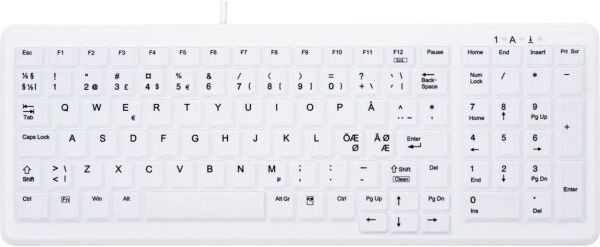
Contour Active Key - Medical Keyboard, HvidACTIVE KEY ClassicClean Medical Keyboard Compact AK-C7000, Hvid (Nordic) Kompakt og hygiejnisk tastatur til kliniske miljøer ACTIVE KEY AK-C7000 ClassicClean er et kablet, kompakt medicinsk tastatur udviklet til hospitaler, klinikker og laboratorier med høje krav til rengøring og driftssikkerhed. Tastaturet kombinerer professionel skrivekomfort med effektiv beskyttelse mod væsker og snavs. Det aftagelige silikonecover beskytter tastatur og tastfelt mod indtrængning af væsker og partikler og gør rengøring og desinfektion enkel. Løsningen bidrager til at reducere risikoen for krydskontaminering i hygiejnekritiske miljøer. Komfort og præcision ved intensiv brug AK-C7000 har fuldt PC-layout i Nordic-udgave og leverer præcis tasteføring samt behagelig tastemodstand. Tastaturet er velegnet til længere skriveopgaver og daglig brug i professionelle sundhedsmiljøer. Specifikationer: Produkttype: Medicinsk tastatur (kablet) Model: AK-C7000 Layout: Nordic, fuldt PC-layout Design: Kompakt Beskyttelse: Aftageligt silikonecover Rengøring: Egnet til hyppig desinfektion Farve: Hvid Anvendelse: Hospitaler, klinikker, laboratorier EAN: 70611111069301948,75 DKK*Shipping: 31,19 DKKSecure redirect to the provider
-
My Medical Baby Urinopsamlingsposer Medicinsk udstyr 10 stkBaby Urinopsamlingsposer kan indeholde op til 100 ml urin. Posen kan benyttes til både piger og drenge. Bemærkning Må ikke genbruges. Dosis og Anvendelse Fjern beskyttelsesfilmen fra urinposen, således at klæbestrimmel fremkommer og posen er klar til påsætning.Posen påklæbes huden og vandladning afventes.Efter vandladning fjernes posen.Posen lukkes ved forsigtigt at klemme posens 2 selvklæbende sider sammen.88,50 DKK*Shipping: 29,00 DKKSecure redirect to the provider
-
IdHAIR Solutions No. 2 500 mlHøjeffektiv shampoo til skæl, irriteret hovedbund og overproduktion af talg. Efter brug efterlades håret rent, blødt og glansfuldt. Solutions No. 2 er en shampoo til hovedbunde med tørt skæl, svamp eller kløe. De aktive146,30 DKK*Shipping: 29,00 DKKSecure redirect to the provider


-
What is Yugoslavia called today?
Yugoslavia is no longer a country. It dissolved in the early 1990s due to ethnic conflicts and is now split into several independent countries. These countries include Serbia, Croatia, Slovenia, Bosnia and Herzegovina, Montenegro, Kosovo, and North Macedonia. **
-
How would Yugoslavia look like today?
It is difficult to predict exactly how Yugoslavia would look like today as there are many factors to consider. However, it is possible that the country would have faced challenges due to its diverse ethnic and religious makeup. There may have been ongoing tensions between different groups, potentially leading to political instability and conflict. On the other hand, if the country had managed to maintain unity and stability, it could have been a strong player in the region with a diverse and vibrant culture. **
-
Which language was spoken in Yugoslavia?
The main language spoken in Yugoslavia was Serbo-Croatian, which is a South Slavic language. This language was a combination of Serbian and Croatian dialects and was used as the official language of the country. Other languages spoken in Yugoslavia included Slovenian, Macedonian, and Albanian, reflecting the diverse ethnic makeup of the country. **
-
What is the problem regarding Yugoslavia?
The problem regarding Yugoslavia is the ongoing ethnic and political tensions that have persisted since the breakup of the country in the 1990s. The region has experienced violent conflicts and wars, resulting in the loss of thousands of lives and the displacement of millions of people. The unresolved issues of ethnic nationalism, territorial disputes, and political instability continue to hinder the progress and stability of the region. Additionally, the lack of reconciliation and accountability for war crimes and human rights abuses further complicates efforts to achieve lasting peace and stability in the former Yugoslav states. **

Is Yugoslavia a world power today?
No, Yugoslavia is not a world power today. In fact, Yugoslavia as a political entity ceased to exist in the 1990s, breaking up into several independent countries including Serbia, Croatia, Bosnia and Herzegovina, Montenegro, North Macedonia, and Slovenia. These individual countries do not hold the same level of global influence or power as the former Yugoslavia once did. Therefore, Yugoslavia is not a world power today. **
Why does Yugoslavia no longer exist?
Yugoslavia no longer exists due to a combination of factors, including ethnic and nationalist tensions, economic difficulties, and the collapse of communism. The country was made up of multiple ethnic groups, including Serbs, Croats, and Bosnians, which led to internal conflicts and eventually the breakup of the country. Additionally, the fall of communism in Eastern Europe and the economic struggles that followed contributed to the disintegration of Yugoslavia. Ultimately, these factors led to the secession of various republics and the eventual dissolution of the country. **
Top-Angebote
Products related to Yugoslavia:
-
Holthaus Medical 61125 Førstehjælpssæt til bilenLængde [cm]: 18; Bredde [cm]: 17; Højde [cm]: 3,5; DIN/ISO: DIN 13167, ISO 20471; Farve: Blå; Materiale: Nylon; Sættet indeholder: Refleksvest, Førstehjælpssæt til bilen; Køretøjstype: Motorcykel134,99 DKK*Shipping: 79,00 DKKSecure redirect to the provider
-
Cardiocare Cu Medical Ipad Sp1 BæretaskeDen IPAD™ SP1 hjertestarter bæretaske fra Cardiocare er en pålidelig og robust løsning designet til optimal beskyttelse og hurtig adgang. Denne taske sikrer, at hjertestarteren altid er klar til brug uden at skulle fjernes fra tasken, hvilket kan spare dyrebare sekunder i en nødsituation. Det smarte design med en stor lomme indeni giver ekstra plads til opbevaring af førstehjælpsudstyr, hvilket gør tasken endnu mere alsidig og praktisk. Funktioner og Fordele Sikker Beskyttelse: Tasken er lavet af slidstærkt materiale, der beskytter hjertestarteren mod stød og skader under opbevaring og transport. Dette forlænger levetiden på hjertestarteren og sikrer, at den er i optimal stand, når den skal bruges. Hurtig Adgang: Elektroderne kan trækkes ud af en speciel åbning i siden af tasken, hvilket eliminerer behovet for at tage hjertestarteren ud af tasken ved brug. Dette design kan være afgørende i akutte situationer, hvor hver sekund tæller. Praktisk Opbevaring: Den indbyggede lomme giver rigelig plads til opbevaring af ekstra førstehjælpsudstyr såsom forbindinger, plaster, eller andre nødvendige redskaber. Dette gør tasken til en komplet løsning for nødberedskab. Brugervenlighed: Tasken er nem at bære og har et ergonomisk design, som sikrer komfort under transport. Den klare orange farve gør den let at identificere, hvilket kan være afgørende i stressede situationer. Anvendelsesområder Denne bæretaske er ideel til en bred vifte af miljøer, herunder kontorer, skoler, sportsfaciliteter og offentlige steder, hvor en hjertestarter kan være påkrævet. Dens holdbare konstruktion og praktiske design gør den velegnet til både indendørs og udendørs brug, og den er særligt nyttig i miljøer, hvor hurtig adgang til en hjertestarter kan redde liv. Kompatibilitet Tasken er specielt designet til at passe IPAD™ SP1 hjertestarteren perfekt, men den kan også bruges med andre modeller fra samme serie, hvilket gør den til en fleksibel og alsidig løsning. At have en hjertestarter lettilgængelig er kritisk for hurtigt at kunne reagere på hjertestop. Bæretasken sikrer ikke blot beskyttelse af hjertestarteren, men muliggør også en hurtigere responstid. Dette kan være forskellen mellem liv og død i mange tilfælde. Investering i kvalitetsudstyr som denne bæretaske er derfor en nødvendighed for enhver organisation, der ønsker at være forberedt på nødsituationer. Den orange IPAD™ SP1 hjertestarter bæretaske fra Cardiocare er en essentiel tilføjelse til ethvert førstehjælpskit. Med dens robuste beskyttelse, hurtige adgangsmuligheder og praktiske opbevaringsfunktioner sikrer den, at hjertestarteren er klar til brug under alle omstændigheder. Uanset om det er til kontorer, skoler, eller offentlige steder, tilbyder denne taske den nødvendige beskyttelse og bekvemmelighed, som kan gøre en forskel i kritiske situationer.995,00 DKK*Shipping: 81,19 DKKSecure redirect to the provider
-
Contour Active Key - Medical Keyboard, HvidACTIVE KEY ClassicClean Medical Keyboard Compact AK-C7000, Hvid (Nordic) Kompakt og hygiejnisk tastatur til kliniske miljøer ACTIVE KEY AK-C7000 ClassicClean er et kablet, kompakt medicinsk tastatur udviklet til hospitaler, klinikker og laboratorier med høje krav til rengøring og driftssikkerhed. Tastaturet kombinerer professionel skrivekomfort med effektiv beskyttelse mod væsker og snavs. Det aftagelige silikonecover beskytter tastatur og tastfelt mod indtrængning af væsker og partikler og gør rengøring og desinfektion enkel. Løsningen bidrager til at reducere risikoen for krydskontaminering i hygiejnekritiske miljøer. Komfort og præcision ved intensiv brug AK-C7000 har fuldt PC-layout i Nordic-udgave og leverer præcis tasteføring samt behagelig tastemodstand. Tastaturet er velegnet til længere skriveopgaver og daglig brug i professionelle sundhedsmiljøer. Specifikationer: Produkttype: Medicinsk tastatur (kablet) Model: AK-C7000 Layout: Nordic, fuldt PC-layout Design: Kompakt Beskyttelse: Aftageligt silikonecover Rengøring: Egnet til hyppig desinfektion Farve: Hvid Anvendelse: Hospitaler, klinikker, laboratorier EAN: 70611111069301948,75 DKK*Shipping: 31,19 DKKSecure redirect to the provider
-
My Medical Baby Urinopsamlingsposer Medicinsk udstyr 10 stkBaby Urinopsamlingsposer kan indeholde op til 100 ml urin. Posen kan benyttes til både piger og drenge. Bemærkning Må ikke genbruges. Dosis og Anvendelse Fjern beskyttelsesfilmen fra urinposen, således at klæbestrimmel fremkommer og posen er klar til påsætning.Posen påklæbes huden og vandladning afventes.Efter vandladning fjernes posen.Posen lukkes ved forsigtigt at klemme posens 2 selvklæbende sider sammen.88,50 DKK*Shipping: 29,00 DKKSecure redirect to the provider
-
Was Yugoslavia a democracy?
Yugoslavia was officially a socialist federal republic, and its political system was based on the principles of self-management and workers' councils. While it had elements of a multi-party system and periodic elections, the Communist Party held a dominant position in the government and society. This limited the true democratic nature of the country, as the ruling party had significant control over political and social life. Therefore, while Yugoslavia had some democratic features, it did not fully function as a liberal democracy. **
-
What happened to Yugoslavia?
Yugoslavia was a country in Southeast Europe that existed from 1918 to 2003. It was formed after World War I and consisted of several different ethnic groups, including Serbs, Croats, and Bosniaks. However, ethnic tensions and political conflicts eventually led to the breakup of Yugoslavia in the 1990s. This breakup resulted in a series of violent conflicts, including the Bosnian War and the Kosovo War. By 2003, the remaining parts of Yugoslavia had all become independent nations, including Serbia, Croatia, Bosnia and Herzegovina, Montenegro, North Macedonia, and Slovenia. **
-
What is Yugoslavia called today?
Yugoslavia is no longer a country. It dissolved in the early 1990s due to ethnic conflicts and is now split into several independent countries. These countries include Serbia, Croatia, Slovenia, Bosnia and Herzegovina, Montenegro, Kosovo, and North Macedonia. **
-
How would Yugoslavia look like today?
It is difficult to predict exactly how Yugoslavia would look like today as there are many factors to consider. However, it is possible that the country would have faced challenges due to its diverse ethnic and religious makeup. There may have been ongoing tensions between different groups, potentially leading to political instability and conflict. On the other hand, if the country had managed to maintain unity and stability, it could have been a strong player in the region with a diverse and vibrant culture. **
Similar search terms for Yugoslavia
-
IdHAIR Solutions No. 2 500 mlHøjeffektiv shampoo til skæl, irriteret hovedbund og overproduktion af talg. Efter brug efterlades håret rent, blødt og glansfuldt. Solutions No. 2 er en shampoo til hovedbunde med tørt skæl, svamp eller kløe. De aktive146,30 DKK*Shipping: 29,00 DKKSecure redirect to the provider
-
Which language was spoken in Yugoslavia?
The main language spoken in Yugoslavia was Serbo-Croatian, which is a South Slavic language. This language was a combination of Serbian and Croatian dialects and was used as the official language of the country. Other languages spoken in Yugoslavia included Slovenian, Macedonian, and Albanian, reflecting the diverse ethnic makeup of the country. **
-
What is the problem regarding Yugoslavia?
The problem regarding Yugoslavia is the ongoing ethnic and political tensions that have persisted since the breakup of the country in the 1990s. The region has experienced violent conflicts and wars, resulting in the loss of thousands of lives and the displacement of millions of people. The unresolved issues of ethnic nationalism, territorial disputes, and political instability continue to hinder the progress and stability of the region. Additionally, the lack of reconciliation and accountability for war crimes and human rights abuses further complicates efforts to achieve lasting peace and stability in the former Yugoslav states. **
-
Is Yugoslavia a world power today?
No, Yugoslavia is not a world power today. In fact, Yugoslavia as a political entity ceased to exist in the 1990s, breaking up into several independent countries including Serbia, Croatia, Bosnia and Herzegovina, Montenegro, North Macedonia, and Slovenia. These individual countries do not hold the same level of global influence or power as the former Yugoslavia once did. Therefore, Yugoslavia is not a world power today. **
-
Why does Yugoslavia no longer exist?
Yugoslavia no longer exists due to a combination of factors, including ethnic and nationalist tensions, economic difficulties, and the collapse of communism. The country was made up of multiple ethnic groups, including Serbs, Croats, and Bosnians, which led to internal conflicts and eventually the breakup of the country. Additionally, the fall of communism in Eastern Europe and the economic struggles that followed contributed to the disintegration of Yugoslavia. Ultimately, these factors led to the secession of various republics and the eventual dissolution of the country. **
* All prices are inclusive of VAT and, if applicable, plus shipping costs. The offer information is based on the details provided by the respective shop and is updated through automated processes. Real-time updates do not occur, so deviations can occur in individual cases. ** Note: Parts of this content were created by AI.