Buy drtss.com ?
We are moving the project
drtss.com .
Are you interested in purchasing the domain
drtss.com ?
domain@kv-gmbh.de · 0541-91531010
Buy drtss.com ?
When is the C1 course for emergency medical technicians?
The C1 course for emergency medical technicians is typically offered as part of their initial training program. This course covers advanced medical procedures, patient assessment, and emergency response protocols. The timing of the course may vary depending on the specific training program and the requirements of the certifying organization, but it is usually completed after the EMT has completed their basic training and gained some practical experience in the field. **
Do emergency medical technicians need a C1 driver's license?
Emergency medical technicians (EMTs) do not necessarily need a C1 driver's license. The requirements for driving an ambulance vary depending on the country and state regulations. In some places, EMTs may only need a regular driver's license, while in others, they may need a specific endorsement or certification to drive an ambulance. It is important for EMTs to check with their local licensing authority to determine the specific requirements for driving an ambulance in their area. **

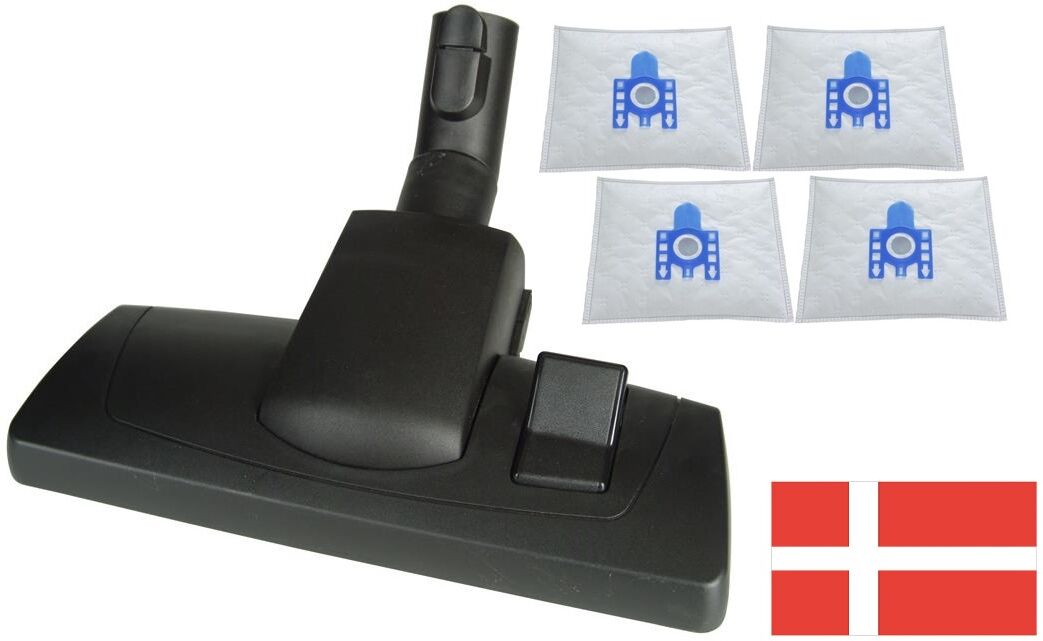
Similar search terms for 40-stk-Miele-C1
Top-Angebote
Products related to 40-stk-Miele-C1:
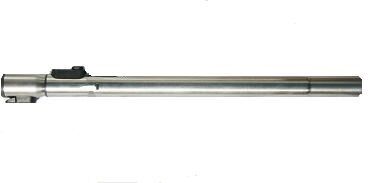

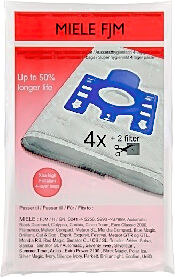

-
What does C1 refer to?
C1 refers to the Common European Framework of Reference for Languages (CEFR) level C1, which is an advanced level of proficiency in a language. At this level, individuals can understand a wide range of demanding, longer texts, and express themselves fluently and spontaneously. They can use language flexibly and effectively for social, academic, and professional purposes. **
-
How does the C1 driver's license work in the emergency medical service?
In the emergency medical service, the C1 driver's license allows individuals to operate ambulances and other emergency medical vehicles that exceed 3.5 tons. This license is essential for emergency medical technicians and paramedics who need to transport patients to medical facilities quickly and safely. It requires specialized training and certification to ensure that drivers are equipped to handle the unique challenges of driving emergency vehicles in high-stress situations. Overall, the C1 driver's license plays a crucial role in ensuring that emergency medical services can respond effectively to medical emergencies. **
-
How do I obtain the C1 driver's license for emergency medical technicians?
To obtain a C1 driver's license for emergency medical technicians, you will need to meet the specific requirements set by your local Department of Motor Vehicles (DMV) or licensing authority. Generally, this will involve completing a training program that includes both classroom instruction and behind-the-wheel training. You may also need to pass a written exam and a driving skills test. Additionally, you may need to provide proof of your EMT certification and undergo a background check. Contact your local DMV or licensing authority for specific information on how to obtain a C1 driver's license for EMTs. **
-
What is the equipment of the Peugeot 107 with automatic transmission and Citroën C1?
The Peugeot 107 and Citroën C1 are both equipped with a 1.0-liter 3-cylinder engine and a 5-speed automatic transmission. They also come with standard features such as power steering, air conditioning, electric front windows, and remote central locking. Additionally, both cars offer good fuel efficiency and low CO2 emissions, making them ideal for city driving. Overall, the equipment of the Peugeot 107 and Citroën C1 with automatic transmission provides a comfortable and convenient driving experience. **

What is the pitch below C1?
The pitch below C1 is B0. In the scientific pitch notation system, each octave is divided into 12 equal parts, with each note being a half step apart. Therefore, B0 is one half step below C1. It is the lowest note on a standard 88-key piano and has a frequency of approximately 30.87 Hz. **
What is the sound below C1?
The sound below C1 is a very low frequency sound that is often described as a deep rumble or vibration. It is at the extreme low end of the audible frequency range and is typically felt more than heard. This low frequency sound is often used in music and sound design to create a sense of depth and power. **
Top-Angebote
Products related to 40-stk-Miele-C1:
-
40 stk. Miele C1, C2, C3 støvsugerposerMiele C1 serien Miele C1 Classic serien Miele C2 Complete Miele C2 serien Miele C3 serien Miele C3 Complete Miele Compact serien S 700 til S 799, S 4000 til S 4999 S 6000 til S 6999, S 7000 til S 7999359,00 DKK*Shipping: 0,00 DKKSecure redirect to the provider
-
When is the C1 course for emergency medical technicians?
The C1 course for emergency medical technicians is typically offered as part of their initial training program. This course covers advanced medical procedures, patient assessment, and emergency response protocols. The timing of the course may vary depending on the specific training program and the requirements of the certifying organization, but it is usually completed after the EMT has completed their basic training and gained some practical experience in the field. **
-
Do emergency medical technicians need a C1 driver's license?
Emergency medical technicians (EMTs) do not necessarily need a C1 driver's license. The requirements for driving an ambulance vary depending on the country and state regulations. In some places, EMTs may only need a regular driver's license, while in others, they may need a specific endorsement or certification to drive an ambulance. It is important for EMTs to check with their local licensing authority to determine the specific requirements for driving an ambulance in their area. **
-
What does C1 refer to?
C1 refers to the Common European Framework of Reference for Languages (CEFR) level C1, which is an advanced level of proficiency in a language. At this level, individuals can understand a wide range of demanding, longer texts, and express themselves fluently and spontaneously. They can use language flexibly and effectively for social, academic, and professional purposes. **
-
How does the C1 driver's license work in the emergency medical service?
In the emergency medical service, the C1 driver's license allows individuals to operate ambulances and other emergency medical vehicles that exceed 3.5 tons. This license is essential for emergency medical technicians and paramedics who need to transport patients to medical facilities quickly and safely. It requires specialized training and certification to ensure that drivers are equipped to handle the unique challenges of driving emergency vehicles in high-stress situations. Overall, the C1 driver's license plays a crucial role in ensuring that emergency medical services can respond effectively to medical emergencies. **
Similar search terms for 40-stk-Miele-C1
-
How do I obtain the C1 driver's license for emergency medical technicians?
To obtain a C1 driver's license for emergency medical technicians, you will need to meet the specific requirements set by your local Department of Motor Vehicles (DMV) or licensing authority. Generally, this will involve completing a training program that includes both classroom instruction and behind-the-wheel training. You may also need to pass a written exam and a driving skills test. Additionally, you may need to provide proof of your EMT certification and undergo a background check. Contact your local DMV or licensing authority for specific information on how to obtain a C1 driver's license for EMTs. **
-
What is the equipment of the Peugeot 107 with automatic transmission and Citroën C1?
The Peugeot 107 and Citroën C1 are both equipped with a 1.0-liter 3-cylinder engine and a 5-speed automatic transmission. They also come with standard features such as power steering, air conditioning, electric front windows, and remote central locking. Additionally, both cars offer good fuel efficiency and low CO2 emissions, making them ideal for city driving. Overall, the equipment of the Peugeot 107 and Citroën C1 with automatic transmission provides a comfortable and convenient driving experience. **
-
What is the pitch below C1?
The pitch below C1 is B0. In the scientific pitch notation system, each octave is divided into 12 equal parts, with each note being a half step apart. Therefore, B0 is one half step below C1. It is the lowest note on a standard 88-key piano and has a frequency of approximately 30.87 Hz. **
-
What is the sound below C1?
The sound below C1 is a very low frequency sound that is often described as a deep rumble or vibration. It is at the extreme low end of the audible frequency range and is typically felt more than heard. This low frequency sound is often used in music and sound design to create a sense of depth and power. **
* All prices are inclusive of VAT and, if applicable, plus shipping costs. The offer information is based on the details provided by the respective shop and is updated through automated processes. Real-time updates do not occur, so deviations can occur in individual cases. ** Note: Parts of this content were created by AI.