Buy drtss.com ?
We are moving the project
drtss.com .
Are you interested in purchasing the domain
drtss.com ?
domain@kv-gmbh.de · 0541-91531010
Buy drtss.com ?
What is climate technology 2?
Climate technology 2 refers to the second generation of innovative technologies designed to address climate change and reduce greenhouse gas emissions. These technologies focus on improving energy efficiency, increasing the use of renewable energy sources, and developing carbon capture and storage solutions. Climate technology 2 aims to accelerate the transition to a low-carbon economy and mitigate the impacts of climate change by providing sustainable and scalable solutions for various industries and sectors. **
What are solutions to climate change?
Solutions to climate change include transitioning to renewable energy sources such as solar and wind power, implementing energy efficiency measures, reducing deforestation and promoting reforestation, and investing in sustainable transportation options. Additionally, implementing policies to reduce greenhouse gas emissions, such as carbon pricing and regulations on emissions from industries, can also help mitigate climate change. Finally, promoting sustainable agricultural practices and reducing food waste can also contribute to addressing climate change. **

Similar search terms for Climate
Top-Angebote
Products related to Climate:


-
How can one switch to climate technology?
One can switch to climate technology by first educating themselves on the various technologies available and their potential impact on reducing carbon emissions. This can involve researching renewable energy sources, energy-efficient appliances, electric vehicles, and sustainable building materials. Once informed, individuals can then make conscious choices to incorporate these technologies into their daily lives, such as installing solar panels, using public transportation or carpooling, and reducing energy consumption at home. Additionally, supporting policies and initiatives that promote the development and adoption of climate technologies can also help drive the transition to a more sustainable future. **
-
What solutions do you have for climate change?
Some solutions for climate change include transitioning to renewable energy sources such as solar and wind power, implementing energy efficiency measures in buildings and transportation, protecting and restoring natural ecosystems like forests and wetlands, and promoting sustainable agriculture and land use practices. Additionally, reducing waste and promoting circular economy principles can help minimize the environmental impact of production and consumption. Finally, international cooperation and policy measures are essential to address climate change on a global scale. **
-
How do climate factors influence climate elements?
Climate factors such as temperature, precipitation, humidity, and wind patterns directly influence climate elements like temperature, precipitation, humidity levels, and wind speed. For example, higher temperatures can lead to increased evaporation rates, resulting in higher levels of precipitation in certain regions. Changes in wind patterns can also impact the distribution of temperature and precipitation across different areas. Overall, climate factors play a crucial role in shaping the climate elements that define a region's climate. **
-
Would climate activists even die for the climate?
Some climate activists may be willing to die for the climate, as they are deeply committed to the cause and believe that sacrificing their lives could bring attention to the urgency of the issue. However, the majority of activists are focused on creating positive change through peaceful and non-violent means, such as advocacy, education, and policy change. Ultimately, the goal of climate activism is to protect and preserve life, so most activists prioritize their own safety while working towards a sustainable future. **


'Climate or ventilation?'
Both climate and ventilation are important factors for maintaining a healthy and comfortable indoor environment. Climate refers to the overall temperature and humidity levels, which can affect the comfort and well-being of occupants. Ventilation, on the other hand, refers to the exchange of indoor and outdoor air, which is crucial for removing indoor air pollutants and maintaining air quality. Both climate and ventilation need to be carefully managed to ensure a healthy and comfortable indoor environment. **
How much does climate activism and climate alarmism harm the acceptance of human-induced climate change?
Climate activism and climate alarmism can harm the acceptance of human-induced climate change by creating polarization and skepticism. Some people may feel overwhelmed or turned off by the urgency and intensity of climate activism, leading them to dismiss the issue altogether. Additionally, alarmist rhetoric can lead to fatigue and desensitization, causing people to tune out important messages about the reality of climate change. It is important for climate communication to strike a balance between raising awareness and inspiring action without alienating or overwhelming the audience. **
Top-Angebote
Products related to Climate:
-
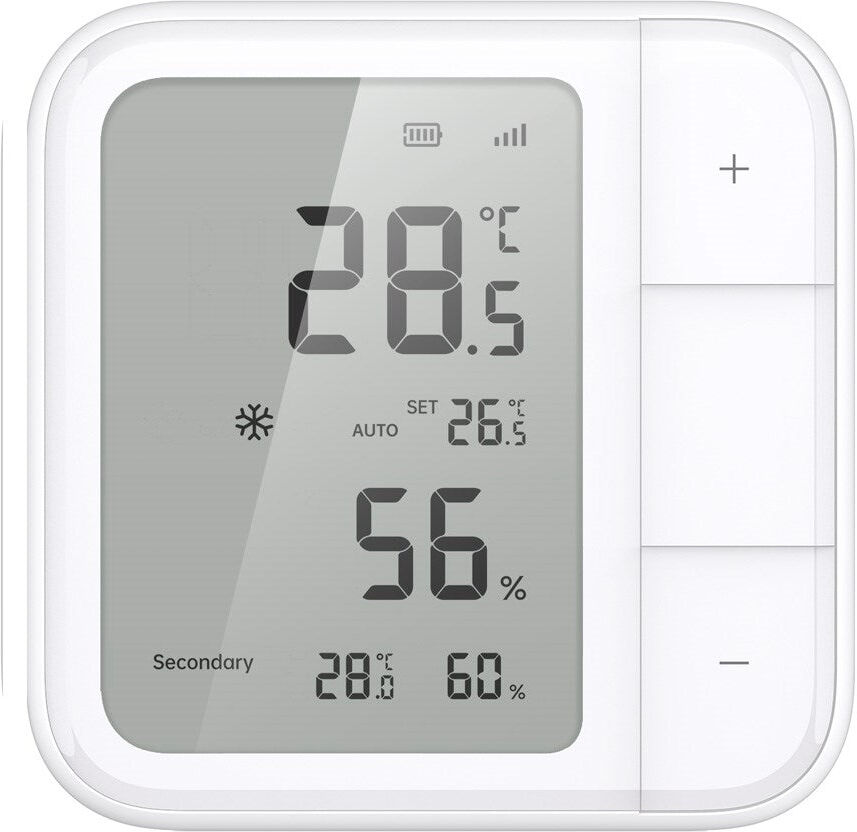
Aqara Climate Sensor W100 - HvidOplev intelligent klimastyring med Aqara Climate Sensor W100 – en avanceret temperatur- og fugtighedssensor med en stor 3.4" LCD-skærm, der leverer realtidsdata med imponerende nøjagtighed (±0.2 °C og ±2% RH). Uanset om du ønsker et mere komfortabelt hjem, effektiv energistyring eller bedre forhold til opbevaring, er denne sensor den ideelle løsning. Sensoren understøtter både Zigbee og Thread, og er kompatibel med Matter, hvilket gør den fremtidssikret og let at integrere i populære smart home-platforme som 'Apple Home', 'Google Home' og 'Amazon Alexa'. Foretrækker du avancerede Aqara-funktioner som fjernstyring af klimaanlæg og ekstern sensorintegration, kan en 'Aqara Zigbee-hub' benyttes for en endnu mere komplet oplevelse. Med 3 programmerbare knapper understøtter Aqara Climate Sensor W100 op til 9 forskellige handlinger – f.eks. tænd/sluk enheder, aktiver komfort-tilstand eller skift scene med ét tryk. Fleksibiliteten giver dig mulighed for at skræddersy hjemmets funktioner til dine daglige rutiner og behov. Ekstern sensorintegration gør det muligt at overvåge temperatur og luftfugtighed fra flere lokationer på én gang, direkte på displayet – perfekt til dig, der ønsker fuldt overblik over både børneværelset og stuen, vinkælderen eller drivhuset. Tilføj et ekstra lag af komfort med fjernstyring af HVAC-systemet. Når sensoren forbindes med en Aqara-termostat eller et infrarødt klimaanlæg via 'Aqara Hub M3', kan du justere varme, køling og luftfugtighed direkte fra enheden – uden at skulle hen til selve anlægget. Trods de mange funktioner er Climate Sensor W100 yderst energieffektiv. Den drives af to CR2450-batterier, som giver op til 2.4 års batterilevetid i Zigbee-tilstand. Ønsker du at tilpasse strømforbruget, kan du justere måle- og rapporteringsfrekvensen via 'Aqara Home-appen'. Aqara Climate Sensor W100 kombinerer præcision, fleksibilitet og smart integration i ét elegant design. Uanset om du søger bedre indeklima, nem automatisering eller fuld kontrol over hjemmets komfort, får du en sensor, der tilpasser sig dine behov – nu og i fremtiden. Matter, Thread & Zigbee Denne enhed er Matter, Thread og Zigbee kompatibel. Med Matter kan Smart Home-enheder fungere sammen på tværs af producenter og platforme. Thread teknologien er internetbaseret og gør det muligt for enheden at forbinde trådløst direkte til internettet eller med andre Thread enheder i et mesh netværk. Med Zigbee kan enheden kommunikere med andre enheder via Zigbee, som et trådløst kommunikationsnetværk der tillader Zigbee enheder at tale sammen via hinanden.299,00 DKK*Shipping: 29,00 DKKSecure redirect to the provider
-
What is climate technology 2?
Climate technology 2 refers to the second generation of innovative technologies designed to address climate change and reduce greenhouse gas emissions. These technologies focus on improving energy efficiency, increasing the use of renewable energy sources, and developing carbon capture and storage solutions. Climate technology 2 aims to accelerate the transition to a low-carbon economy and mitigate the impacts of climate change by providing sustainable and scalable solutions for various industries and sectors. **
-
What are solutions to climate change?
Solutions to climate change include transitioning to renewable energy sources such as solar and wind power, implementing energy efficiency measures, reducing deforestation and promoting reforestation, and investing in sustainable transportation options. Additionally, implementing policies to reduce greenhouse gas emissions, such as carbon pricing and regulations on emissions from industries, can also help mitigate climate change. Finally, promoting sustainable agricultural practices and reducing food waste can also contribute to addressing climate change. **
-
How can one switch to climate technology?
One can switch to climate technology by first educating themselves on the various technologies available and their potential impact on reducing carbon emissions. This can involve researching renewable energy sources, energy-efficient appliances, electric vehicles, and sustainable building materials. Once informed, individuals can then make conscious choices to incorporate these technologies into their daily lives, such as installing solar panels, using public transportation or carpooling, and reducing energy consumption at home. Additionally, supporting policies and initiatives that promote the development and adoption of climate technologies can also help drive the transition to a more sustainable future. **
-
What solutions do you have for climate change?
Some solutions for climate change include transitioning to renewable energy sources such as solar and wind power, implementing energy efficiency measures in buildings and transportation, protecting and restoring natural ecosystems like forests and wetlands, and promoting sustainable agriculture and land use practices. Additionally, reducing waste and promoting circular economy principles can help minimize the environmental impact of production and consumption. Finally, international cooperation and policy measures are essential to address climate change on a global scale. **
Similar search terms for Climate
-
How do climate factors influence climate elements?
Climate factors such as temperature, precipitation, humidity, and wind patterns directly influence climate elements like temperature, precipitation, humidity levels, and wind speed. For example, higher temperatures can lead to increased evaporation rates, resulting in higher levels of precipitation in certain regions. Changes in wind patterns can also impact the distribution of temperature and precipitation across different areas. Overall, climate factors play a crucial role in shaping the climate elements that define a region's climate. **
-
Would climate activists even die for the climate?
Some climate activists may be willing to die for the climate, as they are deeply committed to the cause and believe that sacrificing their lives could bring attention to the urgency of the issue. However, the majority of activists are focused on creating positive change through peaceful and non-violent means, such as advocacy, education, and policy change. Ultimately, the goal of climate activism is to protect and preserve life, so most activists prioritize their own safety while working towards a sustainable future. **
-
'Climate or ventilation?'
Both climate and ventilation are important factors for maintaining a healthy and comfortable indoor environment. Climate refers to the overall temperature and humidity levels, which can affect the comfort and well-being of occupants. Ventilation, on the other hand, refers to the exchange of indoor and outdoor air, which is crucial for removing indoor air pollutants and maintaining air quality. Both climate and ventilation need to be carefully managed to ensure a healthy and comfortable indoor environment. **
-
How much does climate activism and climate alarmism harm the acceptance of human-induced climate change?
Climate activism and climate alarmism can harm the acceptance of human-induced climate change by creating polarization and skepticism. Some people may feel overwhelmed or turned off by the urgency and intensity of climate activism, leading them to dismiss the issue altogether. Additionally, alarmist rhetoric can lead to fatigue and desensitization, causing people to tune out important messages about the reality of climate change. It is important for climate communication to strike a balance between raising awareness and inspiring action without alienating or overwhelming the audience. **
* All prices are inclusive of VAT and, if applicable, plus shipping costs. The offer information is based on the details provided by the respective shop and is updated through automated processes. Real-time updates do not occur, so deviations can occur in individual cases. ** Note: Parts of this content were created by AI.