Buy drtss.com ?
We are moving the project
drtss.com .
Are you interested in purchasing the domain
drtss.com ?
domain@kv-gmbh.de · 0541-91531010
Buy drtss.com ?
Is the microphone cable broken?
To determine if the microphone cable is broken, you can start by checking for any visible damage such as cuts, fraying, or exposed wires. Next, you can test the cable by plugging it into a known working microphone and audio input to see if it transmits sound. If the cable does not transmit sound or if there are visible signs of damage, it is likely broken and may need to be replaced. If you are unsure, you can also use a multimeter to test for continuity in the cable's wiring. **
Why doesn't the Silent Plug cable Sommer SX82 0600 work?
The Silent Plug cable Sommer SX82 0600 may not work for a few reasons. It could be due to a faulty connection or a damaged cable. Additionally, the cable may not be compatible with the specific device or equipment it is being used with. It is also possible that there is an issue with the configuration or settings of the device, which is preventing the cable from working properly. Troubleshooting these potential issues and ensuring compatibility with the device is important in determining why the cable is not working. **
Similar search terms for SOMMER-CABLE-Microphone-Cable
Top-Angebote
Products related to SOMMER-CABLE-Microphone-Cable:




-
Is an XLR microphone cable the same as a DMX cable?
No, an XLR microphone cable is not the same as a DMX cable. While both cables use the same type of connector (XLR), they are designed for different purposes. XLR microphone cables are used to connect microphones to audio equipment, while DMX cables are used to connect lighting fixtures and controllers in stage and event lighting setups. The wiring and signal characteristics of the two cables are different, so they are not interchangeable. **
-
Which microphone cable do I need?
To determine which microphone cable you need, you should consider the type of microphone you are using and the input on your audio interface or mixer. Most microphones use XLR cables, which have three pins and are commonly used for balanced audio signals. If you are using a USB microphone, it will have a built-in USB cable for connection to your computer. If you are unsure, it's best to consult the user manual of your microphone or audio equipment to determine the appropriate cable needed for your setup. **
-
How do I solder a microphone cable?
To solder a microphone cable, first strip the outer insulation of the cable to expose the inner wires. Then, strip the insulation of the inner wires to expose the metal conductors. Next, twist the exposed conductors to prevent fraying and then tin the wires by applying a small amount of solder to them. Finally, solder the tinned wires to the corresponding terminals on the microphone connector, making sure to heat the terminal and wire evenly to create a strong bond. Once the solder joints have cooled, secure the connector and insulate the connections with heat shrink tubing or electrical tape. **
-
Which cable is suitable for a microphone?
A balanced XLR cable is the most suitable for connecting a microphone. XLR cables are designed to carry balanced audio signals, which helps to reduce interference and noise. They also have a locking mechanism to ensure a secure connection, making them ideal for live performances and studio recordings. Additionally, XLR cables are available in various lengths to accommodate different setups and environments. **


Is a cable or a wireless microphone better?
The choice between a cable and a wireless microphone depends on the specific needs and preferences of the user. A cable microphone can provide a reliable and consistent connection, making it a good choice for situations where interference or signal dropouts are a concern. On the other hand, a wireless microphone offers greater freedom of movement and flexibility, making it ideal for performers or presenters who need to move around on stage. Ultimately, the decision between the two will depend on the specific requirements of the user and the context in which the microphone will be used. **
Does my microphone XLR cable or my mixer crackle?
To determine whether the crackling sound is coming from your microphone XLR cable or your mixer, you can try a few troubleshooting steps. First, try using a different XLR cable with your microphone to see if the crackling persists. If the issue persists, then it may be a problem with the mixer. You can also try connecting a different microphone to the mixer to see if the crackling continues. By process of elimination, you can identify whether the issue is with the XLR cable or the mixer. **
Top-Angebote
Products related to SOMMER-CABLE-Microphone-Cable:
-
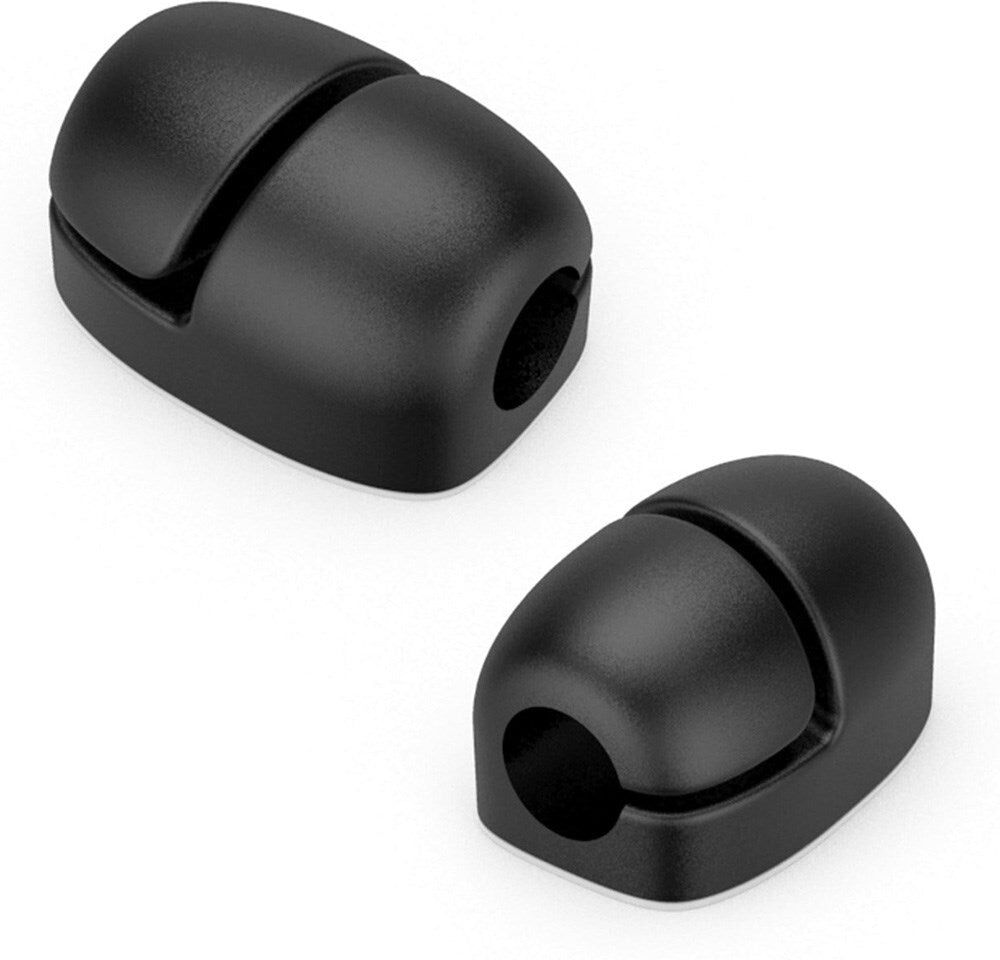
Desire2 Cable Nuggets Kabelholder - 10 Stk - SortHold dine kabler organiseret med Desire2 Cable Nuggets kabelholder. Denne kabelholder hjælper dig med at undgå kabelrod, hvad enten det er derhjemme, på arbejdet eller på farten. Kabelholderen har en selvklæbende bagside, der gør det let at fastgøre dem til forskellige overflader. Dens kompakte design sikrer, at den nemt kan placeres, uden at skabe rod. Denne kabelholder beskytter også dine kabler ved at forhindre, at de bliver trukket eller snoet, hvilket mindsker slitage og forlænger dine kablers levetid. Kabelorganisation: Perfekt til at holde styr på alle dine kabler. Beskytter dit kabel: Forhindrer skader og forlænger levetiden på dine kabler. Selvklæbende design: Nem at fastgøre til alle overflader. Pakke med 10 styk: Inkluderer 5 store og 5 små kabelholdere.79,00 DKK*Shipping: 29,00 DKKSecure redirect to the provider
-
Is the microphone cable broken?
To determine if the microphone cable is broken, you can start by checking for any visible damage such as cuts, fraying, or exposed wires. Next, you can test the cable by plugging it into a known working microphone and audio input to see if it transmits sound. If the cable does not transmit sound or if there are visible signs of damage, it is likely broken and may need to be replaced. If you are unsure, you can also use a multimeter to test for continuity in the cable's wiring. **
-
Why doesn't the Silent Plug cable Sommer SX82 0600 work?
The Silent Plug cable Sommer SX82 0600 may not work for a few reasons. It could be due to a faulty connection or a damaged cable. Additionally, the cable may not be compatible with the specific device or equipment it is being used with. It is also possible that there is an issue with the configuration or settings of the device, which is preventing the cable from working properly. Troubleshooting these potential issues and ensuring compatibility with the device is important in determining why the cable is not working. **
-
Is an XLR microphone cable the same as a DMX cable?
No, an XLR microphone cable is not the same as a DMX cable. While both cables use the same type of connector (XLR), they are designed for different purposes. XLR microphone cables are used to connect microphones to audio equipment, while DMX cables are used to connect lighting fixtures and controllers in stage and event lighting setups. The wiring and signal characteristics of the two cables are different, so they are not interchangeable. **
-
Which microphone cable do I need?
To determine which microphone cable you need, you should consider the type of microphone you are using and the input on your audio interface or mixer. Most microphones use XLR cables, which have three pins and are commonly used for balanced audio signals. If you are using a USB microphone, it will have a built-in USB cable for connection to your computer. If you are unsure, it's best to consult the user manual of your microphone or audio equipment to determine the appropriate cable needed for your setup. **
Similar search terms for SOMMER-CABLE-Microphone-Cable
-
How do I solder a microphone cable?
To solder a microphone cable, first strip the outer insulation of the cable to expose the inner wires. Then, strip the insulation of the inner wires to expose the metal conductors. Next, twist the exposed conductors to prevent fraying and then tin the wires by applying a small amount of solder to them. Finally, solder the tinned wires to the corresponding terminals on the microphone connector, making sure to heat the terminal and wire evenly to create a strong bond. Once the solder joints have cooled, secure the connector and insulate the connections with heat shrink tubing or electrical tape. **
-
Which cable is suitable for a microphone?
A balanced XLR cable is the most suitable for connecting a microphone. XLR cables are designed to carry balanced audio signals, which helps to reduce interference and noise. They also have a locking mechanism to ensure a secure connection, making them ideal for live performances and studio recordings. Additionally, XLR cables are available in various lengths to accommodate different setups and environments. **
-
Is a cable or a wireless microphone better?
The choice between a cable and a wireless microphone depends on the specific needs and preferences of the user. A cable microphone can provide a reliable and consistent connection, making it a good choice for situations where interference or signal dropouts are a concern. On the other hand, a wireless microphone offers greater freedom of movement and flexibility, making it ideal for performers or presenters who need to move around on stage. Ultimately, the decision between the two will depend on the specific requirements of the user and the context in which the microphone will be used. **
-
Does my microphone XLR cable or my mixer crackle?
To determine whether the crackling sound is coming from your microphone XLR cable or your mixer, you can try a few troubleshooting steps. First, try using a different XLR cable with your microphone to see if the crackling persists. If the issue persists, then it may be a problem with the mixer. You can also try connecting a different microphone to the mixer to see if the crackling continues. By process of elimination, you can identify whether the issue is with the XLR cable or the mixer. **
* All prices are inclusive of VAT and, if applicable, plus shipping costs. The offer information is based on the details provided by the respective shop and is updated through automated processes. Real-time updates do not occur, so deviations can occur in individual cases. ** Note: Parts of this content were created by AI.