Buy drtss.com ?
We are moving the project
drtss.com .
Are you interested in purchasing the domain
drtss.com ?
domain@kv-gmbh.de · 0541-91531010
Buy drtss.com ?
Is the sanitary silicone ammonia-free?
Yes, sanitary silicone is typically ammonia-free. Silicone sealants are formulated without ammonia, making them safe for use in areas where ammonia fumes could be harmful, such as bathrooms and kitchens. This makes sanitary silicone a popular choice for sealing and waterproofing in these areas. Always check the product label or specifications to confirm that the silicone sealant is indeed ammonia-free. **
What is the difference between ammonia and ammonia solution?
Ammonia is a compound with the chemical formula NH3, consisting of one nitrogen atom and three hydrogen atoms. It is a colorless gas with a pungent odor. On the other hand, ammonia solution, also known as ammonium hydroxide, is a solution of ammonia gas in water. It is commonly used as a cleaning agent and in various industrial processes. The main difference between the two is that ammonia is a gas, while ammonia solution is a liquid solution of ammonia in water. **
Similar search terms for Ammonia-free
Top-Angebote
Products related to Ammonia-free:
-
Jontec Forward Free Professionel Gulvrengøring, 5lJontec Forward Free er et effektivt, alkalisk og lavtskummende gulvrengøringsmiddel til grundig rengøring af ubehandlede, vandtålende gulve. Produktet fjerner kraftigt snavs og fedt og er særligt udviklet til gulvvaskemaskiner, men kan også anvendes manuelt. Det er desuden velegnet til topskuring af polish før påføring af nye lag. De vigtigste fordele Fjerner effektivt kraftigt snavs og fedt Velegnet til både manuel og maskinel rengøring Lavtskummende formulering, velegnet til gulvvaskemaskiner Effektiv til grundrengøring af ubehandlede gulve Velegnet til topskuring af polish før påføring af nye lag Effektiv rengøring af kraftigt snavsede gulve Jontec Forward Free er udviklet til krævende rengøringsopgaver på ubehandlede gulve, der tåler vand. Den alkaliske formulering løsner effektivt kraftigt snavs og fedt og kan anvendes med moppe, gulvvaskemaskine eller skuremaskine. Ideel til topskuring af polish Produktet er også velegnet til topskuring, når det øverste lag polish skal fjernes før påføring af nye lag. Ved topskuring påføres opløsningen manuelt eller med maskine, hvorefter gulvet skures og efterskylles med rent vand. Specifikationer: Indhold: 5 liter Type: Alkalisk, lavtskummende gulvrengøringsmiddel Farve: Farveløs Parfume: Uden parfume pH-værdi ufortyndet: Ca. 11 pH-værdi i brugsopløsning: Ca. 10 Anvendelse: Manuel og maskinel rengøring Skal fortyndes før brug Må ikke anvendes på vandfølsomme overflader som ubehandlet træ og kork Certificering: EU Ecolabel, DK/020/006448,75 DKK*Shipping: 81,19 DKKSecure redirect to the provider
-
Ardell Singles Knot-Free Flares Medium BlackArdell Singles Knot-Free Flares Medium Black er knudefrie løsvipper i sort med mellemlang længde til et naturligt og fyldigere resultat. De passer til dig, der vil forstærke vipperækken diskret, uden at det ses, at du har løsvipper. Fordele ved Knot-Free Flares Knudefrie vippesektioner, der sættes på enkeltvis for fuld kontrol Mellemlang længde, der giver et naturligt resultat til hverdag Permanent bøjede, lette og vandfaste Holder i op til 6 uger Hvor længe sidder vipperne? Med korrekt påføring sidder de i op til 6 uger og beholder formen takket være den permanente bøjning. Vil du købe løsvipper online, giver Medium Black et naturligt hverdagslook. Se flere produkter fra Ardell hos butikken.47,00 DKK*Shipping: 59,00 DKKSecure redirect to the provider


-
Does ammonia burn?
Yes, ammonia can burn. When ammonia is exposed to a flame or high heat, it can ignite and burn, producing nitrogen dioxide and water vapor. However, ammonia is not easily ignited and requires a high temperature to start burning. It is important to handle ammonia with caution and follow proper safety procedures to prevent accidents. **
-
Does ammonia kill lice?
Yes, ammonia can kill lice. Ammonia is a strong alkaline compound that can be effective in killing lice and their eggs. However, it is important to use caution when using ammonia on the scalp as it can be irritating to the skin and eyes. It is recommended to consult with a healthcare professional before using ammonia or any other chemical treatment for lice. **
-
How is ammonia produced?
Ammonia is produced through the Haber-Bosch process, which involves combining nitrogen and hydrogen gases under high pressure and temperature in the presence of a catalyst, typically iron. The nitrogen is usually obtained from the air through a process called air separation, while the hydrogen is typically obtained from natural gas through a process called steam reforming. The reaction between nitrogen and hydrogen produces ammonia, which can then be further processed and purified for various industrial uses, such as fertilizer production. **
-
Is ammonia a salt?
No, ammonia is not a salt. Ammonia is a compound made up of nitrogen and hydrogen atoms, with the chemical formula NH3. It is a colorless gas with a characteristic pungent odor. On the other hand, salts are ionic compounds made up of positively and negatively charged ions, such as sodium chloride (table salt) or potassium nitrate. **

What is the difference between hair dyes with ammonia and without ammonia?
Hair dyes with ammonia typically provide longer-lasting and more vibrant color results, as ammonia helps to open the hair cuticle and allows the dye to penetrate deeply into the hair shaft. However, ammonia can also cause damage to the hair and scalp, leading to dryness and irritation. On the other hand, hair dyes without ammonia are gentler on the hair and scalp, making them a better option for individuals with sensitive skin or those looking to minimize damage to their hair. However, the color results may not be as long-lasting or intense as those achieved with ammonia-based dyes. **
Is ammonia polyprotic or monoprotic?
Ammonia is a monoprotic base, meaning it can donate only one proton (H+) in a chemical reaction. This is because ammonia has only one nitrogen atom that can accept a proton to form the ammonium ion (NH4+). Therefore, ammonia is considered monoprotic. **
Top-Angebote
Products related to Ammonia-free:
-
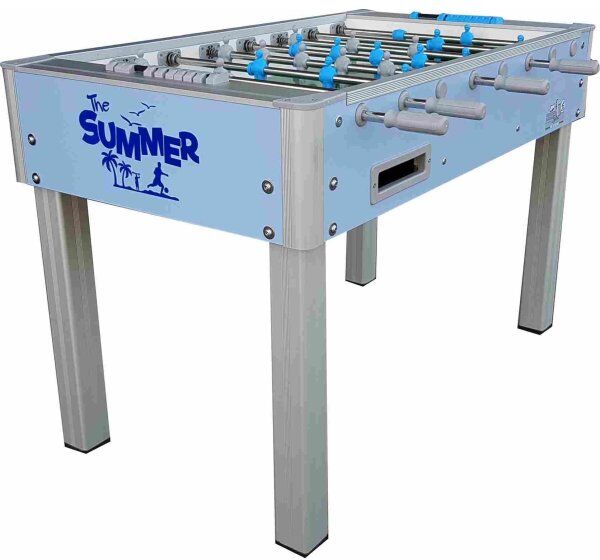
Roberto Summer Free Udendørs BordfodboldSummer Free udendørs bordfodbold Dette Roberto Summer Free fodboldspil er fremstillet i et enkelt design og bliver leveret med teleskopstænger i rustfrit stål med gummi håndtag. Kabinettet er af lyseblåt i flerlags krydsfiner, som nemt holdes rent og spillefladen er i 5 mm hærdet glas, som modstår både fugt og sollys. Benene er udført i anodiseret aluminium. Bordet skal tages ind i vinterhalvåret, da det ikke er bygget til at klare den danske vinter. Læs leverandørens retningslinjer omkring udendørs produkter inden køb. Produkttype: Bordfodboldsspil Farve: Blå Spilleflade (LxB): 111 x 70 cm Udvendige mål (LxBxH): 135 x 110 x 90 cm Vægt: 53 kg Der medfølger 10 fodbolde6473,75 DKK*Shipping: 31,19 DKKSecure redirect to the provider
-
Is the sanitary silicone ammonia-free?
Yes, sanitary silicone is typically ammonia-free. Silicone sealants are formulated without ammonia, making them safe for use in areas where ammonia fumes could be harmful, such as bathrooms and kitchens. This makes sanitary silicone a popular choice for sealing and waterproofing in these areas. Always check the product label or specifications to confirm that the silicone sealant is indeed ammonia-free. **
-
What is the difference between ammonia and ammonia solution?
Ammonia is a compound with the chemical formula NH3, consisting of one nitrogen atom and three hydrogen atoms. It is a colorless gas with a pungent odor. On the other hand, ammonia solution, also known as ammonium hydroxide, is a solution of ammonia gas in water. It is commonly used as a cleaning agent and in various industrial processes. The main difference between the two is that ammonia is a gas, while ammonia solution is a liquid solution of ammonia in water. **
-
Does ammonia burn?
Yes, ammonia can burn. When ammonia is exposed to a flame or high heat, it can ignite and burn, producing nitrogen dioxide and water vapor. However, ammonia is not easily ignited and requires a high temperature to start burning. It is important to handle ammonia with caution and follow proper safety procedures to prevent accidents. **
-
Does ammonia kill lice?
Yes, ammonia can kill lice. Ammonia is a strong alkaline compound that can be effective in killing lice and their eggs. However, it is important to use caution when using ammonia on the scalp as it can be irritating to the skin and eyes. It is recommended to consult with a healthcare professional before using ammonia or any other chemical treatment for lice. **
Similar search terms for Ammonia-free
-
Jontec Forward Free Professionel Gulvrengøring, 5lJontec Forward Free er et effektivt, alkalisk og lavtskummende gulvrengøringsmiddel til grundig rengøring af ubehandlede, vandtålende gulve. Produktet fjerner kraftigt snavs og fedt og er særligt udviklet til gulvvaskemaskiner, men kan også anvendes manuelt. Det er desuden velegnet til topskuring af polish før påføring af nye lag. De vigtigste fordele Fjerner effektivt kraftigt snavs og fedt Velegnet til både manuel og maskinel rengøring Lavtskummende formulering, velegnet til gulvvaskemaskiner Effektiv til grundrengøring af ubehandlede gulve Velegnet til topskuring af polish før påføring af nye lag Effektiv rengøring af kraftigt snavsede gulve Jontec Forward Free er udviklet til krævende rengøringsopgaver på ubehandlede gulve, der tåler vand. Den alkaliske formulering løsner effektivt kraftigt snavs og fedt og kan anvendes med moppe, gulvvaskemaskine eller skuremaskine. Ideel til topskuring af polish Produktet er også velegnet til topskuring, når det øverste lag polish skal fjernes før påføring af nye lag. Ved topskuring påføres opløsningen manuelt eller med maskine, hvorefter gulvet skures og efterskylles med rent vand. Specifikationer: Indhold: 5 liter Type: Alkalisk, lavtskummende gulvrengøringsmiddel Farve: Farveløs Parfume: Uden parfume pH-værdi ufortyndet: Ca. 11 pH-værdi i brugsopløsning: Ca. 10 Anvendelse: Manuel og maskinel rengøring Skal fortyndes før brug Må ikke anvendes på vandfølsomme overflader som ubehandlet træ og kork Certificering: EU Ecolabel, DK/020/006448,75 DKK*Shipping: 81,19 DKKSecure redirect to the provider
-
Ardell Singles Knot-Free Flares Medium BlackArdell Singles Knot-Free Flares Medium Black er knudefrie løsvipper i sort med mellemlang længde til et naturligt og fyldigere resultat. De passer til dig, der vil forstærke vipperækken diskret, uden at det ses, at du har løsvipper. Fordele ved Knot-Free Flares Knudefrie vippesektioner, der sættes på enkeltvis for fuld kontrol Mellemlang længde, der giver et naturligt resultat til hverdag Permanent bøjede, lette og vandfaste Holder i op til 6 uger Hvor længe sidder vipperne? Med korrekt påføring sidder de i op til 6 uger og beholder formen takket være den permanente bøjning. Vil du købe løsvipper online, giver Medium Black et naturligt hverdagslook. Se flere produkter fra Ardell hos butikken.47,00 DKK*Shipping: 59,00 DKKSecure redirect to the provider
-
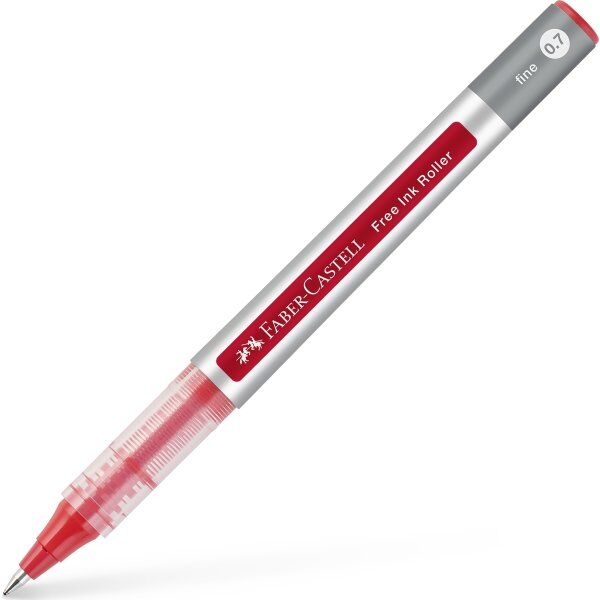
Faber-Castell Free Ink Rollerpen Ef RødFaber-Castell Free Ink – en rollerpen med dokumentsikkert blæk Free Ink rollerpennen fra Faber Castell kombinerer fordelene ved en kuglepen og en fyldepen. Pennen har en fin nålespids, som er lavet af metal og kan modstå ekstreme belastninger, hvilket giver mulighed for et intenst skrivetryk. Samtidig giver det jævne blækflow en behagelig skrivefølelse. Pennen er designet til dem, der værdsætter tydelighed og stil i deres skriftlige kommunikation og den ekstra smalle spids sikrer en meget fin og flydende linje, perfekt til alt fra underskrifter til vigtige noter og med dens holdbare konstruktion og dokumentsikre blæk, er denne pen altså et yderst pålideligt valg. Skriftfarve: Rød Stregbredde: 0,5 mm (EF) Nålespids af metal Dokumentsikkert blæk Vindue til kontrol af blækniveau Fremstillet af 83 % genanvendt plast Dokumentsikkert blæk og konstant blækflow Free Ink rollerpennen indeholder dokumentsikkert blæk, hvilket betyder at blækket er både lysægte og vandfast, så det skrevne ikke falmer og forsvinder over tid. Blækket er derfor permanent, så pennen er særligt god til underskrifter på checks, kontrakter og andre juridiske og vigtige dokumenter. Samtidig har pennen et direkte påfyldningssystem, som giver den et konstant flow af blæk ned til sidste dråbe.239,25 DKK*Shipping: 81,19 DKKSecure redirect to the provider
-
How is ammonia produced?
Ammonia is produced through the Haber-Bosch process, which involves combining nitrogen and hydrogen gases under high pressure and temperature in the presence of a catalyst, typically iron. The nitrogen is usually obtained from the air through a process called air separation, while the hydrogen is typically obtained from natural gas through a process called steam reforming. The reaction between nitrogen and hydrogen produces ammonia, which can then be further processed and purified for various industrial uses, such as fertilizer production. **
-
Is ammonia a salt?
No, ammonia is not a salt. Ammonia is a compound made up of nitrogen and hydrogen atoms, with the chemical formula NH3. It is a colorless gas with a characteristic pungent odor. On the other hand, salts are ionic compounds made up of positively and negatively charged ions, such as sodium chloride (table salt) or potassium nitrate. **
-
What is the difference between hair dyes with ammonia and without ammonia?
Hair dyes with ammonia typically provide longer-lasting and more vibrant color results, as ammonia helps to open the hair cuticle and allows the dye to penetrate deeply into the hair shaft. However, ammonia can also cause damage to the hair and scalp, leading to dryness and irritation. On the other hand, hair dyes without ammonia are gentler on the hair and scalp, making them a better option for individuals with sensitive skin or those looking to minimize damage to their hair. However, the color results may not be as long-lasting or intense as those achieved with ammonia-based dyes. **
-
Is ammonia polyprotic or monoprotic?
Ammonia is a monoprotic base, meaning it can donate only one proton (H+) in a chemical reaction. This is because ammonia has only one nitrogen atom that can accept a proton to form the ammonium ion (NH4+). Therefore, ammonia is considered monoprotic. **
* All prices are inclusive of VAT and, if applicable, plus shipping costs. The offer information is based on the details provided by the respective shop and is updated through automated processes. Real-time updates do not occur, so deviations can occur in individual cases. ** Note: Parts of this content were created by AI.